That ten-degree difference between your living room and back bedroom isn't a quirk of your Kissimmee home—it's a warning sign.
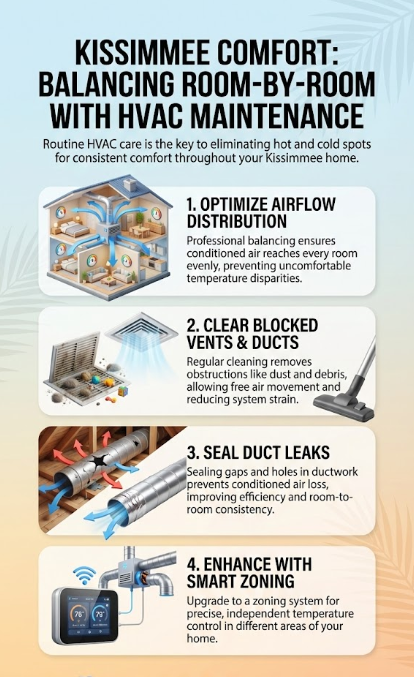
After servicing thousands of HVAC systems across Central Florida, we've found that room-by-room temperature swings almost always trace back to three overlooked maintenance issues: restricted airflow from neglected filters, duct leaks hidden in unconditioned attic spaces, and refrigerant levels that have slowly dropped over consecutive cooling seasons.
Kissimmee's climate makes these problems worse. Your system runs 2,500+ hours annually—nearly three times the national average—which accelerates wear that homeowners in milder regions never experience. Combine that with attic temperatures exceeding 140°F in summer, and even small duct gaps create major comfort imbalances.
This guide shares what actually works to restore even temperatures throughout your home, based on the patterns we see in local service calls every week.
TL;DR Quick Answers
HVAC Maintenance in Kissimmee
What it is: Professional service that keeps your air conditioning system running efficiently in Central Florida's demanding climate.
Why Kissimmee systems need more attention:
Local AC units run 2,500+ hours annually—triple the national average
Summer attic temperatures exceed 140°F, accelerating duct deterioration
Year-round humidity increases coil buildup and drain line issues
What maintenance includes:
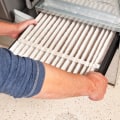
Monthly filter replacement (March–October)
Annual professional tune-up (schedule early spring)
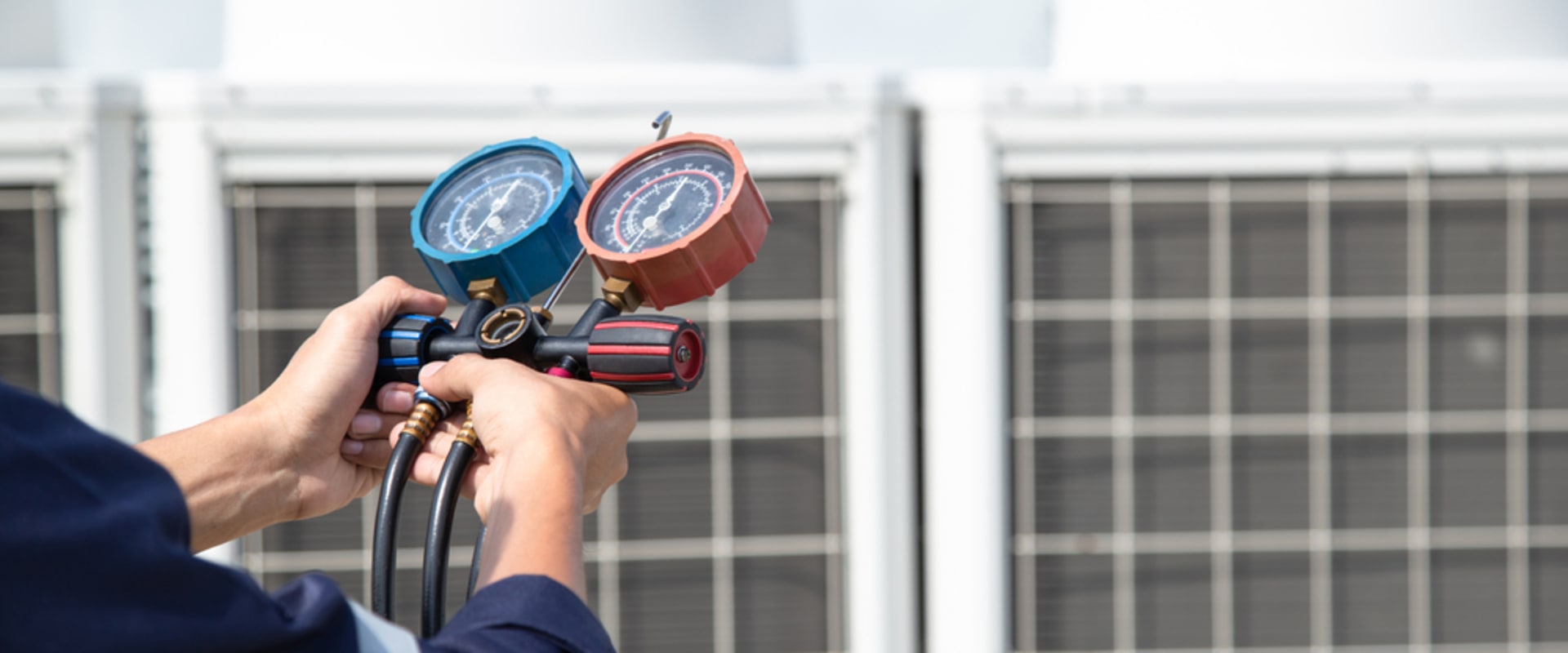
Coil cleaning, refrigerant check, electrical testing
Duct inspection for leaks and disconnections
What we see locally: Most comfort complaints—hot rooms, high bills, constant runtime—trace back to maintenance issues, not equipment failure. Restricted airflow, duct leaks, and refrigerant decline cause 90% of the problems we diagnose.
Cost impact: Proactive maintenance typically costs 15–25% less than reactive repairs over time. Duct sealing alone improves efficiency up to 20%.
When to schedule: February or March, before peak cooling demand begins.
Bottom line: Kissimmee's climate makes HVAC maintenance essential not optional. Systems maintained consistently deliver even comfort, lower energy bills, and longer equipment life.
Top Takeaways
Uneven temperatures signal maintenance issues, not equipment failure. Most comfort complaints trace back to restricted airflow, duct leaks, or refrigerant decline. Targeted maintenance resolves these at a fraction of replacement cost.
Kissimmee's climate demands more frequent attention. Your system runs 2,500+ hours annually—triple the national average. Filters clog faster. Coils collect more buildup. Duct connections loosen sooner.
Duct leaks waste 20–30% of your conditioned air. Summer attic temperatures exceed 140°F. Unsealed ducts dump cooled air into that space instead of your rooms—creating hot spots and inflating energy bills.
Proactive maintenance costs less than reactive repairs. Monthly filter changes, annual tune-ups, and prompt attention to comfort changes prevent compounding efficiency losses and emergency calls.
Timing matters. Schedule comprehensive maintenance in early spring. Check filters monthly through summer. Address duct repairs in late fall when cooler attics allow safer work.
How Proper HVAC Maintenance Eliminates Hot and Cold Zones
Uneven temperatures develop when airflow becomes restricted, ducts leak conditioned air into unconditioned spaces, or system capacity declines from wear. In Kissimmee homes, these issues accelerate because your HVAC runs nearly year-round—logging 2,500+ hours annually compared to roughly 800 hours in northern climates. That constant operation means filters clog faster, coils collect more buildup, and duct connections loosen sooner than maintenance schedules designed for milder regions account for.
Monthly filter changes and annual professional tune-ups address most room-by-room comfort complaints we encounter. Filter replacement alone restores airflow volume that gradually diminishes as debris accumulates, while professional maintenance catches duct leaks, refrigerant decline, and coil buildup that homeowners can't easily diagnose. Technicians use pressure testing and thermal imaging to identify gaps wasting 20–30% of your conditioned air—losses that create the exact hot spots and cold zones driving your discomfort.
Timing matters in Central Florida's climate. Schedule comprehensive maintenance in early spring before peak cooling demand begins, check filters monthly through summer, and address any duct repairs in late fall when attic temperatures allow safer, more effective work. This approach keeps every room comfortable while extending equipment life and controlling energy costs.
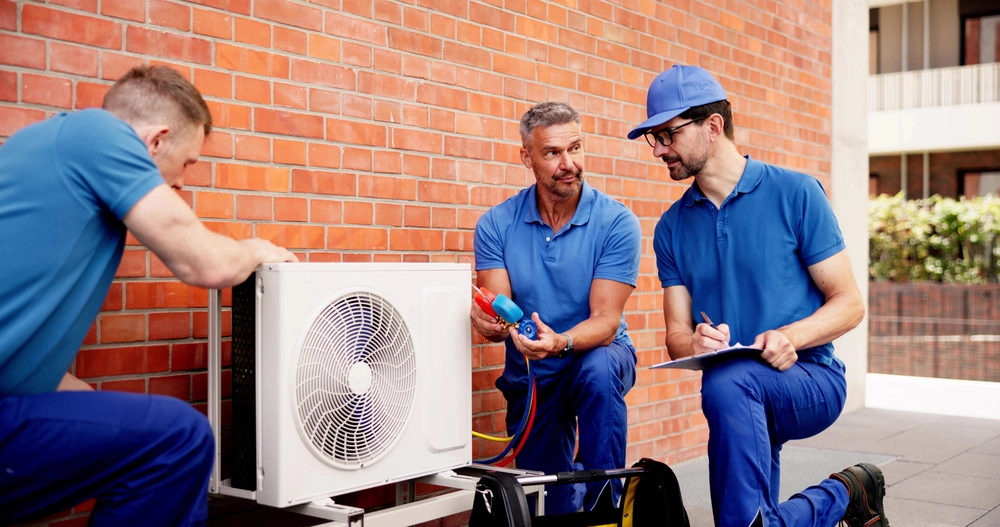
"In 15 years of servicing Kissimmee homes, I've learned that room-by-room temperature problems are almost never about the thermostat—they're about what's happening in the attic and inside the ductwork that homeowners never see."
Essential Resources for Smarter HVAC Maintenance Decisions in Kissimmee
Verify Your Contractor's License Before Signing Anything
The Florida DBPR license verification portal confirms whether an HVAC contractor holds valid, current credentials and reveals any disciplinary history. Florida law requires all air conditioning contractors to maintain active licensure—this free search protects you from unlicensed operators.
Resource: Florida Department of Business and Professional Regulation License Search https://www.myfloridalicense.com/wl11.asp?mode=2&search=Name
Claim Utility Rebates That Reduce Your Upgrade Costs
Kissimmee Utility Authority offers rebates on high-efficiency heat pump installations, duct leak repairs, and energy conservation improvements for customers within their service area. KUA also maintains a vetted list of participating contractors who meet program standards.
Resource: KUA Heat Pump and AC Replacement Rebate Program https://kua.com/energy-conservation/rebates/heat-pump-ac/
Know What Professional Maintenance Should Actually Include
The EPA's official ENERGY STAR maintenance checklist details every task a qualified technician should perform—from refrigerant checks to electrical connection testing. Use this checklist to evaluate whether your service provider delivers thorough maintenance or cuts corners.
Resource: ENERGY STAR HVAC Maintenance Checklist https://www.energystar.gov/saveathome/heating-cooling/maintenance-checklist
Understand Efficiency Ratings and Energy-Saving Best Practices
The U.S. Department of Energy's heating and cooling guide explains SEER, EER, and HSPF ratings in plain language and provides climate-specific recommendations for Florida's cooling-dominated environment. This resource helps you compare equipment options and identify maintenance practices that lower energy bills.
Resource: DOE Energy Saver – Heating and Cooling https://www.energy.gov/energysaver/heating-and-cooling
Maximize Federal Tax Credits on Qualifying Equipment
Homeowners installing high-efficiency heat pumps may claim up to $2,000 in federal tax credits, while qualifying central air conditioners and furnaces earn credits up to $600. The IRS outlines eligibility requirements, required documentation, and step-by-step filing instructions for Form 5695.
Resource: IRS Energy Efficient Home Improvement Credit https://www.irs.gov/credits-deductions/energy-efficient-home-improvement-credit
Confirm Proposed Work Meets Florida Building Code Standards
Florida's building code establishes minimum SEER ratings, system sizing requirements, duct sealing standards, and permit obligations for HVAC installations and replacements. Understanding these requirements helps you evaluate contractor proposals and avoid code violations that create problems during home sales.
Resource: Florida Building Codes and Standards – HVAC FAQs https://www2.myfloridalicense.com/building-codes-and-standards/faqs/
Research Contractor Reputation and Complaint History
The Better Business Bureau's accredited contractor directory provides ratings, customer complaint records, and company response patterns for HVAC businesses serving Central Florida. Reviewing BBB profiles before hiring helps identify contractors with consistent service quality and fair dispute resolution.
Resource: BBB Accredited Air Conditioning Contractors in Florida https://www.bbb.org/us/fl/category/air-conditioning-contractor/accredited
Supporting Statistics: Why HVAC Maintenance Matters in Florida Homes
Federal research confirms what we see on Kissimmee service calls every week—maintenance issues that seem minor create measurable energy waste and comfort problems.
20–30% of Conditioned Air Never Reaches Your Rooms
What the data shows: Typical homes lose 20 to 30 percent of conditioned air through duct leaks, holes, and poorly connected ducts.
What we observe locally:
Disconnected flex duct joints in attics exposed to 140°F summer heat
Unsealed gaps at register boots and supply connections
Original construction seams that were never properly sealed
Why it matters in Kissimmee: Your system runs 8–10 months annually. A 25% duct loss means you're paying to cool 2,000 square feet but only conditioning 1,500. That wasted capacity escapes into your attic instead of reaching the rooms that stay too warm.
The return on repair: Duct sealing typically pays for itself within 12–18 months through reduced runtime and lower utility costs.
Source: U.S. Environmental Protection Agency, ENERGY STAR Program https://www.energystar.gov/saveathome/heating-cooling/duct-sealing
Improper Installation Reduces Efficiency by Up to 30%
What the research found: NIST measurements indicate improper installation could increase household energy use for heating and cooling by 30 percent over designed performance.
The three most damaging installation faults:
Leaky air ducts (identified as the dominant problem)
Refrigerant undercharge
Incorrect airflow from improperly sized ductwork
Local cost impact: A 30% efficiency loss in northern climates might add $200 annually. In Kissimmee—where cooling dominates 9 months per year—that same inefficiency costs $400–$600 extra every year it goes unaddressed.
Source: National Institute of Standards and Technology, Technical Note 1848 https://www.nist.gov/news-events/news/2014/11/underperforming-energy-efficiency-hvac-equipment-suffers-due-poor
Heating and Cooling Is Your Largest Controllable Energy Expense
What the data shows: Energy devoted to heating and cooling accounts for approximately 35% of all building energy consumption—the largest share of any end use.
What we see on local utility bills: Air conditioning represents 40–50% of summer electricity costs for Kissimmee homes with older or poorly maintained systems.
Why this creates opportunity: Neglected maintenance compounds costs quickly. Targeted improvements deliver outsized returns compared to efficiency efforts elsewhere in the home.
The maintenance difference: Customers who maintain consistently—monthly filter changes, annual tune-ups, prompt attention to performance changes—typically see energy costs 15–25% below neighbors with identical equipment who defer service.
Source: U.S. Department of Energy, Building Technologies Office https://www.energy.gov/eere/buildings/heating-ventilation-air-conditioning-refrigeration-and-water-heating
Final Thought: What Actually Keeps Kissimmee Homes Comfortable
Room-by-room temperature imbalances frustrate homeowners more than almost any other HVAC complaint we encounter. The bedroom that never cools. The living room that's freezing while the office stays warm. The thermostat battles that never end.
After servicing thousands of systems across Central Florida, we've reached a simple conclusion: the equipment itself is rarely the problem.
Most comfort issues trace back to three maintenance failures that compound over time:
Restricted airflow from neglected filters
Duct leaks hidden in superheated attic spaces
Gradual refrigerant loss that reduces capacity without obvious symptoms
These aren't dramatic breakdowns. They're slow declines that homeowners adapt to until discomfort becomes undeniable.
Why Kissimmee Systems Need More Attention
Standard manufacturer maintenance schedules assume national averages—800 to 1,000 runtime hours annually. Your system logs 2,500 or more.
What that means locally:
Filters clog faster than expected
Coils collect more buildup between cleanings
Duct connections loosen sooner
Refrigerant losses become noticeable within a single cooling season
Homeowners who maintain consistent comfort aren't spending more money—they're spending it differently.
The Real Cost of Waiting
We've seen the pattern repeatedly:
Entire system replacements when targeted maintenance would have restored performance
Duct leaks wasting more energy over five years than sealing would have cost
Refrigerant losses running undetected for years—burning electricity without delivering comfort
The consistent truth: Reactive maintenance costs more, delivers less comfort, and shortens equipment life. Proactive maintenance costs less over time and keeps systems running at designed efficiency.
What We'd Tell a Neighbor
If a friend asked how to keep their Kissimmee home comfortable without overspending:
Change your filter monthly from March through October. A $15 filter replaced on time prevents hundreds in unnecessary energy costs and protects components from premature wear.
Schedule professional maintenance in early spring. February or March tune-ups catch problems before peak demand. Technicians have availability, parts are in stock, and you enter summer confident.
Pay attention to comfort changes. Rooms that used to cool evenly but don't anymore signal developing problems. Early action almost always costs less than waiting.
The Bottom Line
Balanced comfort isn't luck or premium equipment. It's consistent attention to the basics—strong airflow, sealed ducts, proper refrigerant levels.
Kissimmee's climate makes these fundamentals more important than anywhere else. But the approach remains simple: maintain proactively, address changes promptly, and your system will deliver even comfort for years.
FAQ on “HVAC Maintenance in Kissimmee”
Q: How often should I schedule HVAC maintenance in Kissimmee?
A: Annual professional maintenance is essential here—not optional.
Recommended schedule:
Comprehensive service in early spring (February–March) before peak demand
Monthly filter checks from March through October
Replace filters when visibly dirty—don't wait for scheduled dates
Why Kissimmee systems need more attention:
Local systems run 2,500+ hours annually
Northern systems average 800–1,000 hours
That's triple the wear on every component
Customers who wait until something breaks typically spend more on emergency repairs than years of preventive maintenance combined.
Q: Why do some rooms in my Kissimmee home stay warmer than others?
A: This is our most common complaint. After diagnosing thousands of these calls, the equipment itself is rarely the problem.
Three culprits cause most imbalances:
Restricted airflow from filters unchanged for months
Duct leaks in attics exceeding 140°F
Gradual refrigerant loss reducing capacity without obvious symptoms
What we find during attic inspections:
Disconnected flex duct joints
Unsealed register boots
Original construction seams never properly sealed
Conditioned air escaping through these gaps gets absorbed by superheated attic air—never reaching the rooms that stay too warm.
Q: What does HVAC maintenance in Kissimmee typically include?
A: Thorough maintenance covers more than a quick filter swap. Here's what to expect from qualified technicians:
Standard service items:
Filter inspection and replacement
Evaporator and condenser coil cleaning
Refrigerant level verification
Electrical connection testing
Thermostat calibration
Condensate drain clearing (critical in Kissimmee's humidity)
Duct inspection for leaks or disconnections
What separates quality service:
Airflow measurements against manufacturer specifications
System pressure readings
Written documentation of all findings
Prioritized repair recommendations
Red flag: If a technician can't explain what they measured and what the readings mean, find another contractor.
Q: How much can proper HVAC maintenance save on energy bills in Kissimmee?
A: Savings depend on current system condition. The patterns we observe are consistent.
Typical results:
Proactive customers see energy costs 15–25% below neighbors who defer service
Improvements often pay for themselves within one cooling season
Specific repair returns:
Duct sealing: Up to 20% efficiency improvement (ENERGY STAR data)
Refrigerant correction: Restores designed cooling capacity
Coil cleaning: Reduces runtime needed to reach thermostat settings
Local context: AC represents 40–50% of summer electricity costs in Kissimmee. A 20% efficiency gain on that portion typically saves $300–$500 annually for homes with neglected systems.
Q: How do I find a licensed HVAC contractor in Kissimmee?
A: Start with license verification. It's non-negotiable.
Step 1: Verify licensing
Search Florida DBPR portal at myfloridalicense.com
Check both company name and individual qualifier's name
Confirm credentials are current and active
Step 2: Check reputation
Review BBB ratings and complaint history
Note how company responds to problems
Ask for references from Kissimmee customers
Step 3: Confirm coverage
$100,000 liability insurance minimum (required by Florida law)
Workers' compensation if they have employees
Written estimates before authorizing work
Step 4: Verify qualifications
NATE certification for technicians
Manufacturer training on your equipment brand
Here is the nearest branch location serving the Key Biscayne FL area…
Filterbuy HVAC Solutions - Miami FL
1300 S Miami Ave Unit 4806, Miami, FL 33130
(305) 306-5027